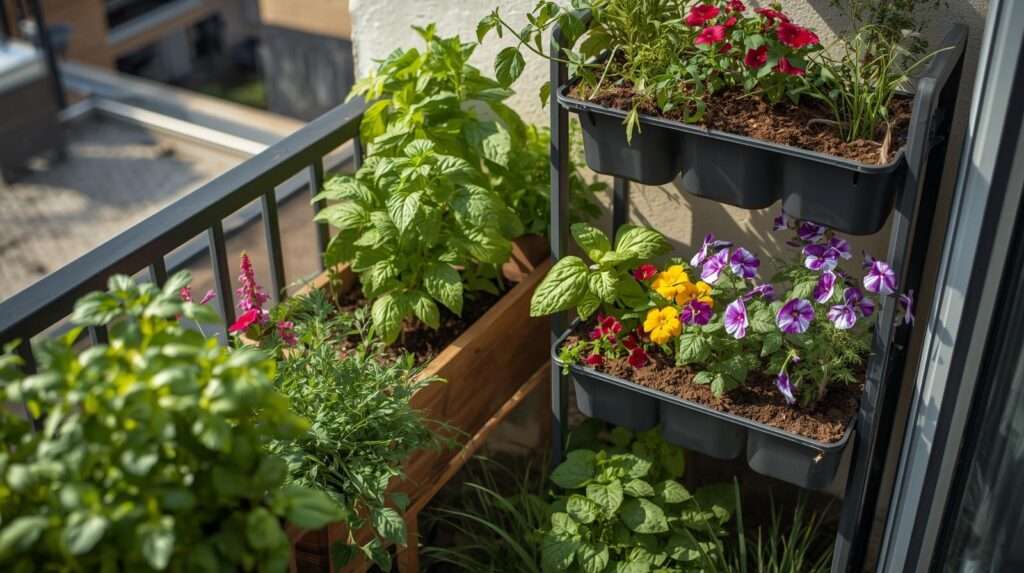
Imagine staring at a tiny balcony, a narrow backyard corner, or a modest plot of land and wondering how you’ll ever grow enough fresh produce to make a real difference in your kitchen or even your livelihood. Many aspiring gardeners and small-scale farmers face this exact frustration—limited space that seems to crush big dreams of abundant harvests. The good news? With the right strategies, a little growing area can deliver surprisingly high yields, often 5 to 10 times more per square foot than traditional row gardening.
Making the Most of a Little Growing Area isn’t about wishing for more land—it’s about working smarter with what you have. Whether you’re an urban apartment dweller with a sunny windowsill, a suburban homeowner with a compact backyard, or a beginner farmer managing a small homestead, this comprehensive guide provides proven, practical techniques to transform constrained spaces into productive oases. Drawing from decades of agricultural best practices, university extension research, and real-world success stories, we’ll cover everything from vertical systems and intensive planting to smart container setups and soil optimization. By the end, you’ll have actionable steps to boost productivity, reduce waste, save money on groceries, and enjoy the satisfaction of homegrown food—even in the tightest spots.
Limited space doesn’t have to limit your harvest. Techniques like vertical gardening, square foot gardening, and companion planting allow you to maximize every inch—horizontal, vertical, and even temporal—while improving plant health and minimizing maintenance. This skyscraper-style resource goes deeper than typical articles, offering detailed charts, step-by-step instructions, troubleshooting tips, and sustainability insights tailored for real results in small-scale agriculture.
Understanding Your Little Growing Area: Assessment First
Before planting a single seed, successful small-space gardening starts with honest assessment. Rushing in without evaluating your site’s unique conditions often leads to disappointment, wasted effort, and poor yields. Take time to map your microclimate, as this foundational step ensures every subsequent decision aligns with your actual growing area.
Evaluate Sunlight, Soil, and Microclimate
Most vegetables, fruits, and herbs need at least 6–8 hours of direct sunlight daily for optimal growth. Use a sun chart or simple observation over a few days to track light patterns—morning sun is gentler and often sufficient for leafy greens, while afternoon sun suits fruiting crops like tomatoes and peppers. In shaded or urban environments, prioritize shade-tolerant crops such as lettuce, spinach, kale, and herbs like mint or parsley.
Test your soil (or potting mix) for pH (ideally 6.0–7.0 for most edibles), drainage, and nutrient levels. Poor drainage causes root rot in containers, while compacted native soil in small plots limits root expansion. Simple DIY tests or affordable kits from local agricultural extensions provide reliable data. Also note wind exposure, which can dry out plants quickly on balconies, and temperature fluctuations common in small urban heat islands.
Measure Your Actual Usable Space (Including Vertical and Horizontal Potential)
Don’t just measure floor area—think in three dimensions. A 4×4-foot raised bed offers only 16 square feet horizontally, but adding trellises or wall planters can effectively double or triple usable growing surface. For balconies or patios, calculate railing space, wall height, and overhead potential for hanging systems. Even a 50-square-foot area can support a surprising volume of production when optimized vertically.
Identify Constraints and Opportunities
Renters often face restrictions on permanent structures, while small farms might deal with variable soil quality or water access. Turn constraints into opportunities: lightweight, movable containers suit renters, and vertical setups mitigate wind or shade. In regions with challenging climates (such as humid or tropical areas), focus on disease-resistant varieties and good airflow. Opportunities might include nearby community resources, rainwater collection, or vertical surfaces like fences.
This assessment phase typically takes just an afternoon but prevents costly mistakes and sets the stage for high-efficiency gardening.
Core Principles for Maximizing Small Spaces
The mindset shift is crucial: Stop thinking in acres and start measuring productivity per square foot. Core principles that consistently deliver results in limited growing areas include:
- Vertical utilization — Grow up to free ground space.
- Intensive planting — Pack plants efficiently without sacrificing health.
- Succession and interplanting — Stagger plantings for continuous harvests.
- Container flexibility — Move plants to chase sun or protect from weather.
- Soil health optimization — Prioritize quality over quantity of growing medium, since volume is limited.
These principles, supported by methods like square foot gardening, can reduce water use by up to 10%, cut weeding dramatically, and boost overall yields compared to traditional single-row approaches.
Vertical Gardening: Grow Up, Not Out
Vertical gardening stands as one of the most transformative techniques for making the most of a little growing area. By training plants upward, you reclaim ground space, improve airflow (reducing fungal diseases), make harvesting easier, and often increase yields per plant due to better sun exposure.
Best Vertical Systems for Beginners
Start simple and scale up:
- Trellises and stakes — Wooden, bamboo, or metal frames for tomatoes, beans, and cucumbers.
- Cattle panel arches — Sturdy, reusable structures that create walk-through tunnels or space-saving supports.
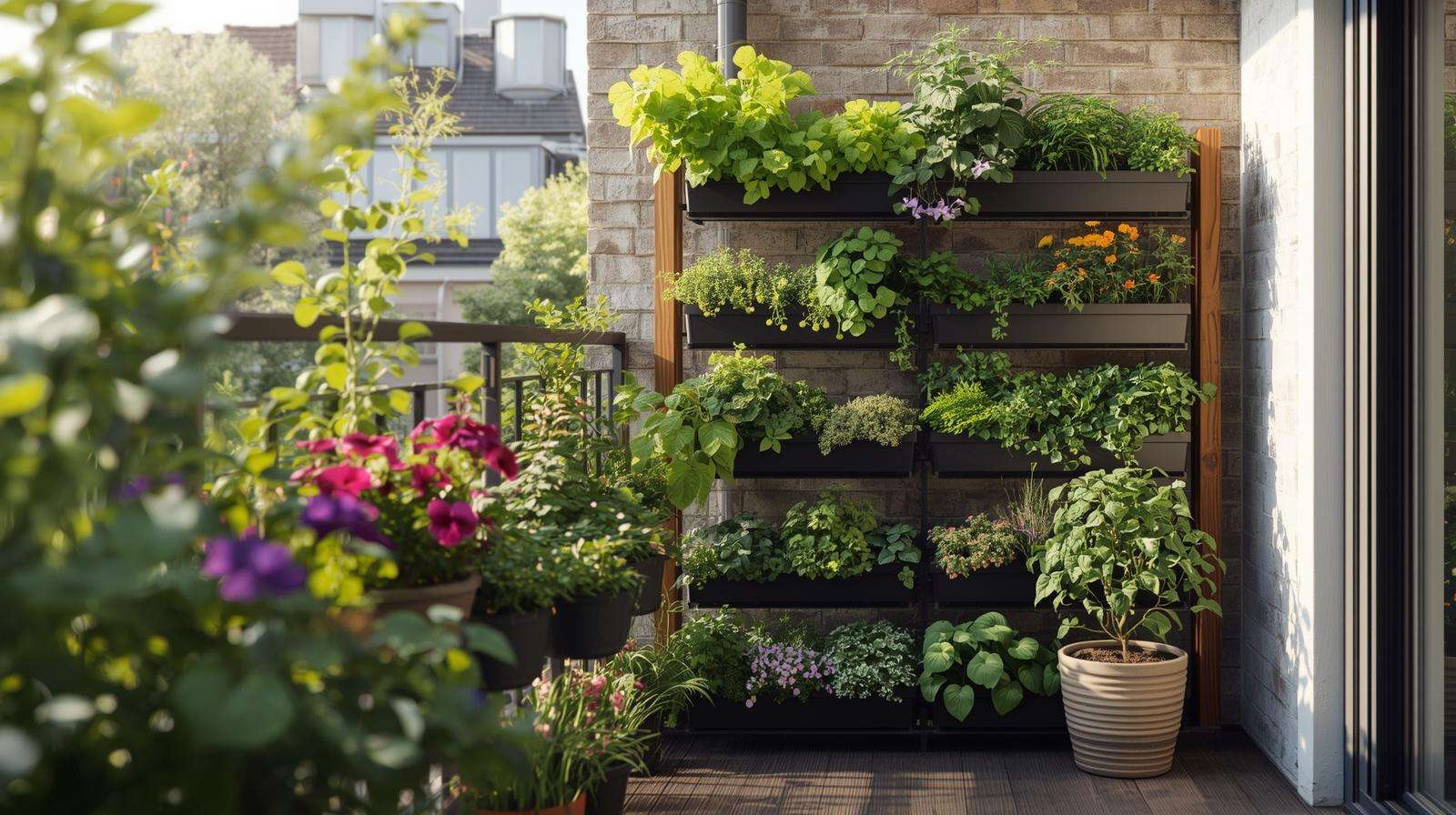
- Wall planters and pocket systems — Fabric or plastic pockets ideal for herbs, strawberries, and leafy greens.
- Hanging baskets and towers — Stackable planters or repurposed gutters for strawberries and trailing tomatoes.
- Living walls — Modular systems or DIY pallet gardens for herbs and salad mixes.
These systems suit balconies, small patios, or compact backyard plots and require minimal footprint.
Ideal Crops for Vertical Growing
Vining and climbing varieties excel here:
- Tomatoes (indeterminate or cherry types like ‘Tumbling Tom’ or ‘Sweet 100’)
- Cucumbers (bush or vining varieties such as ‘Spacemaster’ or ‘Bush Champion’)
- Pole beans and peas
- Squash and melons (trained carefully on strong supports)
- Strawberries in vertical towers or pockets
Compact or dwarf varieties further optimize results in tight vertical setups.
DIY vs. Ready-Made Options
Budget-friendly DIY ideas include using old ladders, repurposed fencing, or string trellises with eye hooks. For durability, invest in powder-coated metal or heavy-duty netting. Always ensure supports can handle wind load and mature plant weight—secure everything firmly, especially on elevated balconies.
Step-by-Step Setup Guide
- Choose a sunny, accessible location.
- Install sturdy anchors (wall mounts, ground stakes, or rail clamps for renters).
- Prepare soil or containers with excellent drainage.
- Plant and train vines gently with soft ties as they grow.
- Monitor for pests and provide consistent moisture at the base.
Real-world example: Urban gardeners using cattle panel trellises on balconies have reported doubling output of cucumbers and beans while keeping the floor clear for other containers. Vertical setups also enhance aesthetics, turning a plain space into a lush, productive green wall.
Intensive Planting Techniques: Pack More Plants Productively
Intensive planting maximizes every square inch through smart spacing and synergies. Square foot gardening, popularized for its simplicity, divides beds into 1×1-foot grids and plants according to mature size—1 extra-large plant, 4 large, 9 medium, or 16 small per square.
Square Foot Gardening Method Explained
Build or use raised beds no wider than 4 feet for easy reach. Fill with a lightweight, nutrient-rich mix (more on this later). Grid the surface with string or wood dividers. This method minimizes pathways, reduces soil compaction, and promotes dense but healthy growth.
Companion Planting for Space Efficiency and Pest Control
Pairing compatible plants saves space and provides natural benefits. Classic examples:
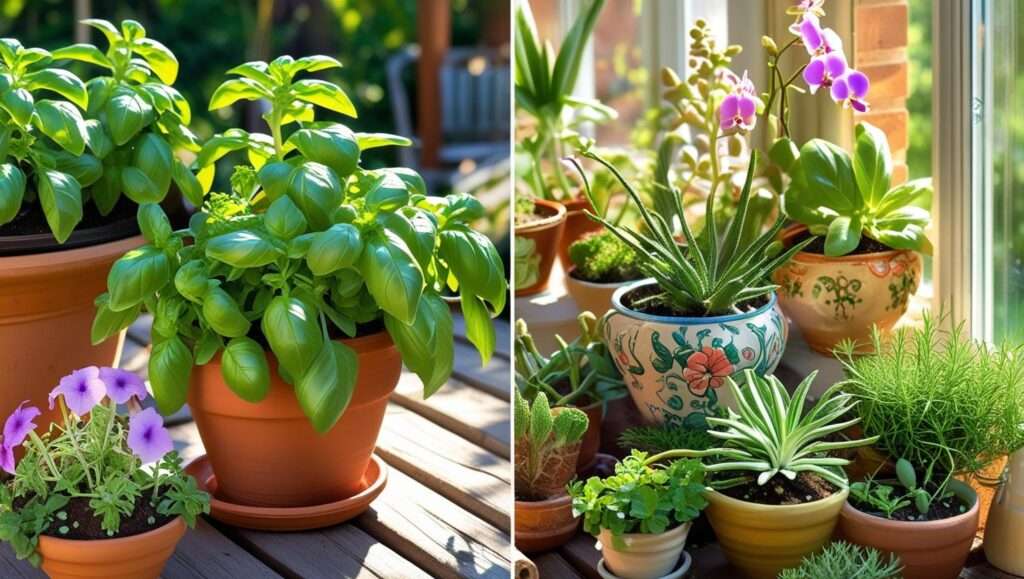
- Basil with tomatoes — Repels pests and enhances flavor.
- Marigolds with vegetables — Deters nematodes and insects.
- Carrots with onions or leeks — Mutual pest confusion.
- Beans with corn and squash (the “Three Sisters” method, adaptable to smaller scales).
Avoid antagonists like onions near beans or potatoes near tomatoes. Companion charts help plan efficient layouts that also suppress weeds through shading.
Intercropping and Succession Planting Schedules
Intercrop fast-maturing crops (radishes, lettuce) between slower ones (tomatoes, broccoli). Succession planting—sowing new seeds every 1–2 weeks—ensures continuous harvests rather than one big glut. In small areas, this can extend productivity across seasons.
Dense Planting Guidelines
Use this general spacing guide (adjust for specific varieties):
- 16 plants/sq ft (3″ spacing): Carrots, radishes, onions, beets.
- 9 plants/sq ft (4″ spacing): Spinach, beets (for greens), bush beans.
- 4 plants/sq ft (6″ spacing): Lettuce, Swiss chard, kale.
- 1 plant/sq ft (12″ spacing): Tomatoes, peppers, broccoli, cabbage.
Benefits include better moisture retention, fewer weeds, and higher overall yields per area. Studies and experienced gardeners confirm intensive methods can produce far more food in 20% less space than row gardening.
Pro Tip from Agricultural Practice: In humid or tropical climates, ensure good airflow in dense plantings to prevent mildew—vertical training helps here too.
Smart Container and Raised Bed Strategies
Containers offer unmatched flexibility for small growing areas, allowing you to move plants as sunlight shifts or weather changes. Raised beds improve drainage and soil quality in poor native ground.
Choosing the Right Containers
Opt for self-watering pots, fabric grow bags (lightweight and breathable), or sturdy plastic/terracotta in 5–20 gallon sizes depending on crop. Larger volumes (at least 5–10 gallons for tomatoes) prevent quick drying and nutrient depletion. Ensure drainage holes and use saucers or elevated feet to avoid waterlogging.
Optimizing Raised Beds for Small Footprints
Keep beds 3–4 feet wide and any length that fits your space. Use untreated wood, cinder blocks, or metal for construction. Elevated or keyhole designs can further maximize edges.
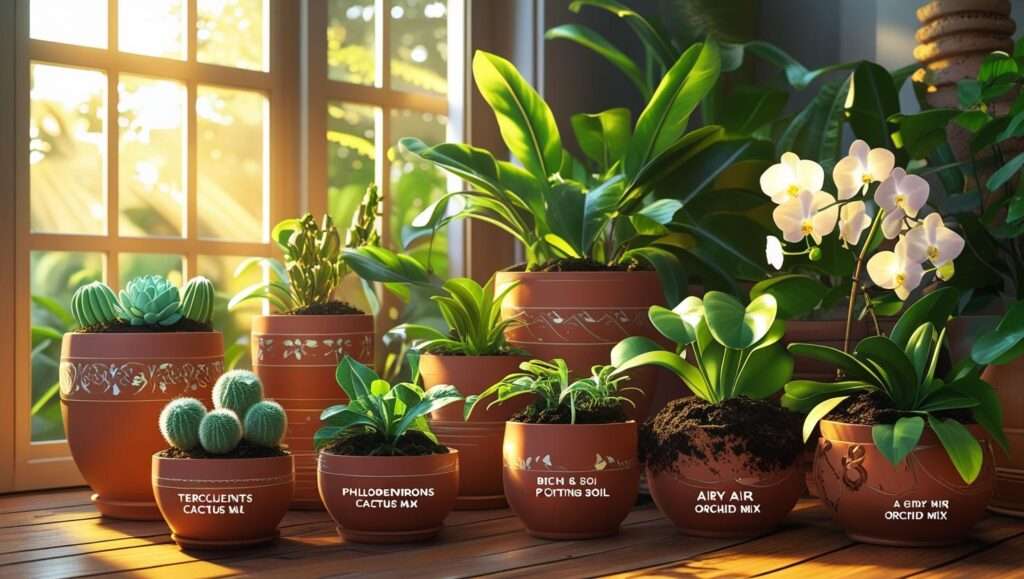
Soil Mix Recipes for Maximum Nutrition in Limited Volume
Quality matters immensely when volume is restricted. A reliable all-purpose container mix:
- 1/3 coconut coir or peat moss (for water retention)
- 1/3 compost or worm castings (for nutrients and microbes)
- 1/3 perlite or vermiculite (for aeration and drainage)
Add a handful of slow-release organic fertilizer or rock dust per batch. Mel’s Mix (1/3 each compost, peat/coir, vermiculite) is a proven favorite for square foot beds. Refresh or top-dress annually, as nutrients deplete faster in containers.
Mobility Tips for Renters or Variable Sunlight
Use wheeled platforms or lightweight fabric bags. Group containers to create microclimates—taller plants shading shorter ones.
Plant Selection: Choosing High-Yield, Space-Saving Varieties
Success hinges on selecting crops bred or suited for confinement. Prioritize dwarf, patio, bush, or compact varieties that deliver generous harvests without sprawling.
Compact, Dwarf, and Patio Varieties
- Tomatoes: ‘Veranda Red’, ‘Tumbling Tom’, ‘Sweet N Neat’, ‘Balcony’, ‘Tiny Tim’, or ‘BushSteak’ — many thrive in 8–12″ pots.
- Peppers: ‘Snackabelle’, compact sweet or hot types.
- Cucumbers: ‘Bush Champion’, ‘Spacemaster’, or patio hybrids.
- Zucchini/Squash: Bush types like ‘Patio Star’ or compact yellow scallop.
High-Producers for Small Spaces
Leafy greens (lettuce mixes, spinach, kale, Swiss chard), radishes, bush beans, herbs (basil, parsley, chives), and strawberries produce quickly and repeatedly with minimal space. Microgreens and baby vegetables offer ultra-fast cycles.
Crop Rotation and Planning for Year-Round Harvests
Rotate families (e.g., avoid planting tomatoes in the same spot/container consecutively) to prevent disease buildup. Use seasonal charts: Cool-season crops in spring/fall, warm-season in summer. In milder or protected setups, extend seasons with row covers or cloches.
Recommended Varieties Table (example for planning):
| Crop | Space Needs (per sq ft) | Expected Yield Potential | Notes |
|---|---|---|---|
| Cherry Tomato (patio) | 1 plant | High, continuous | Vertical or container |
| Lettuce Mix | 4–9 plants | Multiple cuttings | Shade tolerant |
| Radish | 16 plants | Fast (3–4 weeks) | Intercrop easily |
| Pole Beans | 8 on trellis | High with succession | Vertical essential |
| Strawberries | 4–6 in towers | Repeated flushes | Hanging or pockets |
Choose disease-resistant, regionally adapted seeds or starts from reputable sources for best performance.
Soil Health, Watering, and Nutrient Management in Tight Spaces
When your growing area is limited, every cubic inch of soil or potting mix becomes precious real estate. Soil health directly determines how productive your small garden or farm can become. Unlike large fields where plants can spread roots widely, container and intensive plantings rely on concentrated nutrition and careful management to avoid depletion, salt buildup, or compaction.
Composting and Mulching Techniques for Small Areas
Even in the smallest spaces, composting is possible and highly beneficial. Use a compact countertop worm bin (vermicomposting) or a small tumbling composter that fits on a balcony or beside a raised bed. Kitchen scraps, coffee grounds, and yard trimmings break down into “black gold” that replenishes nutrients and improves soil structure.
Apply a 1–2 inch layer of organic mulch—straw, shredded leaves, or coconut coir—around plants. Mulching conserves moisture (critical in containers that dry out quickly), suppresses weeds, and moderates soil temperature. In humid climates, choose lighter mulches that allow airflow to prevent fungal issues.
Efficient Watering Systems for Maximum Efficiency
Overwatering or underwatering ranks among the top killers of plants in small growing areas. Drip irrigation kits or soaker hoses deliver water directly to roots with minimal waste—ideal for raised beds or grouped containers. Self-watering planters with reservoirs reduce daily maintenance and provide consistent moisture, especially useful during hot weather or for busy gardeners.
A simple rule: Water deeply but infrequently, allowing the top inch of soil to dry slightly between waterings. Early morning is best to minimize evaporation and disease risk. In very small setups, consider ollas (unglazed clay pots buried in soil) that release water slowly through porous walls—an ancient, low-tech solution still effective today.
Organic Fertilization Without Overcrowding
Because growing volume is limited, nutrients deplete faster than in open ground. Feed plants with balanced organic options:
- Compost tea or worm castings for gentle, ongoing nutrition
- Fish emulsion or seaweed extract for quick boosts during growth spurts
- Slow-release granular fertilizers worked into the top layer at planting time
Avoid over-fertilizing, which can burn roots or encourage lush foliage at the expense of fruit. Monitor plants for signs of deficiency (yellowing leaves often indicate nitrogen shortage) and adjust accordingly. In intensive plantings, rotate fertilizer types seasonally to maintain balanced soil biology.
Maintaining living soil with beneficial microbes through regular compost additions keeps your small growing area resilient and highly productive year after year.
Overcoming Common Challenges in Small Growing Areas
Even the best-planned small-space gardens encounter hurdles. Addressing these proactively separates successful gardeners from those who give up in frustration.
Pest and Disease Management Without Chemicals
Prevention beats cure in tight spaces where problems spread quickly. Promote strong plants through proper spacing, good airflow (vertical training helps), and diverse planting. Introduce beneficial insects like ladybugs or lacewings, or use physical barriers such as row covers and netting.
For outbreaks, rely on organic solutions:
- Neem oil or insecticidal soap for aphids, whiteflies, and spider mites
- Hand-picking larger pests like caterpillars or slugs
- Baking soda sprays for powdery mildew
Companion planting (marigolds, nasturtiums, garlic) provides natural pest deterrence while maximizing space.
Dealing with Shade, Wind, or Poor Drainage
Full shade limits fruiting crops but supports excellent leafy greens, root vegetables, and many herbs. Use reflective mulches or light-colored walls to bounce extra light into shadier spots. For windy balconies, choose sturdy, low-profile containers and secure vertical structures firmly. Windbreaks made from lattice or taller plants can create protected microclimates.
Poor drainage causes root rot—always elevate containers and ensure ample perlite or coarse material in soil mixes. Raised beds benefit from a base layer of gravel or landscape fabric in heavy clay soils.
Time and Maintenance Tips for Busy Gardeners
Small spaces actually simplify maintenance once systems are in place. Automate where possible with timers on drip systems and use mulching to cut weeding time dramatically. Group plants with similar water and light needs together. Dedicate just 15–20 minutes daily or every other day for checking, harvesting, and light pruning—this consistency prevents small issues from becoming major problems.
Scaling from Balcony to Small Farm Plot
The same principles apply whether you have 20 square feet or 2,000. Start small, master core techniques (vertical + intensive), then gradually expand. Many urban gardeners eventually transition to community plots or small rural farms using skills honed in tiny spaces.
Real-World Success Stories and Case Studies
Real examples prove that making the most of a little growing area delivers impressive results:
- Urban Balcony Transformation: A city dweller in a high-rise apartment with only a 6×8-foot balcony installed vertical wall pockets and cattle panel trellises. Within one season, she harvested enough cherry tomatoes, cucumbers, herbs, and leafy greens to supply fresh salads for her family of four, plus extras to share with neighbors.
- Small Homestead Productivity: On a quarter-acre suburban lot, a family used intensive square-foot beds combined with raised containers and vertical arches. They produced over 300 pounds of vegetables in a single year while maintaining space for family activities—demonstrating that thoughtful design multiplies output without expanding footprint.
- Community Garden Impact: A group in a space-limited neighborhood converted a former parking strip into productive beds using intercropping and succession planting. Members reported improved food security, stronger community bonds, and significant grocery savings.
These stories highlight adaptable lessons: Start with assessment, prioritize vertical and intensive methods, and focus on soil health. What works in one climate or setup can be modified for yours.
Advanced Tips and Future-Proofing Your Small Space Garden
Once basics are mastered, consider elevating your system:
- Hydroponics or Aquaponics Basics: Soil-less systems using nutrient-rich water can produce exceptionally high yields in very small footprints. Simple DIY bucket systems or small aquaponic setups (fish + plants) work well on patios or indoors with grow lights.
- Smart Technology Integration: Affordable soil moisture sensors, automated watering timers, and garden planning apps help optimize care and reduce guesswork.
- Sustainability Focus: Small-space gardening naturally reduces food miles and packaging waste. Collect rainwater, practice water-wise techniques, and choose heirloom or open-pollinated varieties to save seeds for future seasons.
These forward-thinking approaches ensure your little growing area remains productive and resilient even as conditions change.
Turn Your Little Growing Area into a Big Harvest
Making the most of a little growing area is entirely achievable with the right knowledge and consistent action. By assessing your space thoroughly, embracing vertical gardening, practicing intensive planting methods, selecting suitable varieties, and maintaining healthy soil and efficient watering, you can enjoy abundant harvests that far exceed what traditional thinking suggests is possible in limited spaces.
Whether your goal is fresh daily salads, significant grocery savings, greater self-sufficiency, or simply the joy of growing your own food, these strategies deliver real, measurable results. Start today by evaluating your sunlight and measuring your usable space—then implement just one or two techniques from this guide. Small, steady improvements compound into impressive productivity over time.
No matter how small your growing area feels right now, remember: productivity is measured by smart choices, not square footage alone. With these expert-backed tips, your limited space can become a thriving, rewarding garden or small farm that nourishes both body and spirit.
Ready to get started? Assess your space this week and try one vertical or intensive planting idea. Share your current growing area setup or challenges in the comments below—I’d love to offer personalized suggestions. For more agricultural tips and guidelines, explore our other guides on companion planting, container gardening, and seasonal crop planning. Subscribe to stay updated with practical farming and gardening advice delivered straight to you.
Happy growing!
Frequently Asked Questions (FAQs)
What are the best crops for a very small growing area? Leafy greens (lettuce, spinach, kale), radishes, herbs, bush beans, strawberries, and compact cherry tomatoes perform exceptionally well. They grow quickly, tolerate containers, and many can be harvested repeatedly.
How much food can I realistically grow in 10–50 square feet? With vertical gardening and intensive methods, gardeners commonly produce 50–200+ pounds of fresh produce annually from small spaces, depending on climate, care, and crop selection. Many families meet a significant portion of their salad and vegetable needs from just 20–30 square feet.
Is vertical gardening suitable for windy balconies? Yes, but choose sturdy supports (cattle panels or heavy-duty trellises) and secure them properly. Lower-growing or bush varieties may be safer in very exposed areas.
How do I prevent soil depletion in containers? Refresh or amend soil annually with compost and worm castings. Use quality potting mixes, fertilize appropriately, and practice crop rotation even in pots.
Can I grow in full shade? Absolutely—focus on shade-tolerant crops like leafy greens, root vegetables, and many herbs. Yields will be lower for fruiting plants, but productive harvests are still possible.
What’s the cheapest way to start maximizing my space? Begin with DIY trellises from bamboo or string, repurposed containers, and seeds rather than transplants. Vermicomposting and mulching further stretch resources without high costs.
How often should I water in small setups? Check soil moisture daily at first. Most containers need watering every 1–2 days in hot weather, less in cooler conditions. Self-watering systems or drip irrigation help maintain consistency.
What’s the difference between square foot gardening and traditional methods? Square foot gardening uses dense, grid-based planting in raised beds with high-quality soil mix, minimizing waste space and maintenance compared to wide rows and pathways in traditional gardening.
Any tips for renters with limited permissions? Use lightweight, movable containers and fabric grow bags. Opt for freestanding trellises or command-hook wall systems that don’t damage property. Focus on portable, high-impact setups.
How should I adjust techniques for tropical or humid climates? Emphasize excellent airflow (vertical training), disease-resistant varieties, and lighter mulches. Water carefully to avoid fungal issues and consider raised beds for better drainage.