Imagine pouring weeks of effort, seeds, and seedlings into your brand-new 8×3 raised beds, only to watch your tomatoes struggle with yellow leaves, your carrots fork awkwardly, or your lettuce bolt prematurely from poor drainage and nutrient lockup. Many gardeners face this exact frustration — investing in raised beds for better control and higher yields, yet ending up with disappointing results because the soil mix falls short.Best Soil Mix for 8×3 Raised Beds
The truth is, soil is the single most important factor in raised bed success. Unlike in-ground gardens that benefit from native soil biology over years, raised beds rely entirely on the mix you create. For the popular 8×3 size — compact enough for small yards, patios, or urban spaces yet spacious for intensive planting — getting the best soil mix for 8×3 raised beds right makes the difference between mediocre harvests and abundant, healthy, high-yield vegetable gardens season after season.
In this comprehensive guide, you’ll discover a proven, customizable ultimate soil recipe tailored specifically for 8×3 raised beds. I’ll walk you through exact volume calculations, ingredient roles, step-by-step mixing instructions, comparisons with popular options like Mel’s Mix, sourcing tips, maintenance strategies, troubleshooting, and expert insights drawn from years of practical experience and university extension recommendations. Whether you’re a beginner filling your first beds or an experienced gardener seeking better results, this guide solves the core problem: building a balanced, well-draining, nutrient-rich soil that supports strong roots, optimal moisture, and vigorous plant growth in your specific 8×3 dimensions.
By following this advice, you’ll create a living soil ecosystem that retains nutrients, resists compaction, and delivers impressive yields of tomatoes, peppers, leafy greens, root crops, and more — all while saving money compared to expensive pre-bagged mixes.
Why Soil Quality Matters Most in Raised Beds
Raised bed gardening offers numerous advantages: warmer soil in spring, better drainage, fewer weeds, easier access, and protection from poor native soil conditions. However, these benefits only materialize with the right soil mix.
In traditional in-ground gardening, plants draw from established soil microbes, minerals, and organic matter built over decades. Raised beds start as blank slates. A poor mix leads to common issues:
- Waterlogging and root rot from inadequate drainage.
- Nutrient deficiencies causing stunted growth or chlorosis.
- Compaction over time, reducing aeration and root penetration.
- Rapid drying in hot weather or poor water retention in dry spells.
- pH imbalances that lock up essential nutrients like iron, phosphorus, and nitrogen.
An optimal raised bed soil mix addresses all these by balancing three core elements:
- Structure and minerals (from topsoil or garden soil).
- Nutrients and biology (from high-quality compost).
- Aeration and drainage (from perlite, vermiculite, coco coir, or coarse sand).
This balance promotes healthy microbial activity, excellent oxygen flow to roots, and consistent moisture without sogginess. Studies and extension services emphasize that well-aerated, organic-rich mixes can increase vegetable yields by 20–50% or more compared to subpar fills. For 8×3 beds, which are often used for intensive or square-foot-style planting, this is especially critical because plants grow closer together and compete more for resources.
Understanding Your 8×3 Raised Bed: Dimensions, Volume, and Depth Recommendations
The 8×3 raised bed size is a smart choice for many gardeners. At 24 square feet of growing space, it fits neatly along fences, in small backyards, or on balconies while allowing easy reach from both sides (the 3-foot width is perfect for avoiding stepping on soil). It supports crop rotation, companion planting (e.g., tomatoes with basil, carrots with onions), and high-density vegetable production.
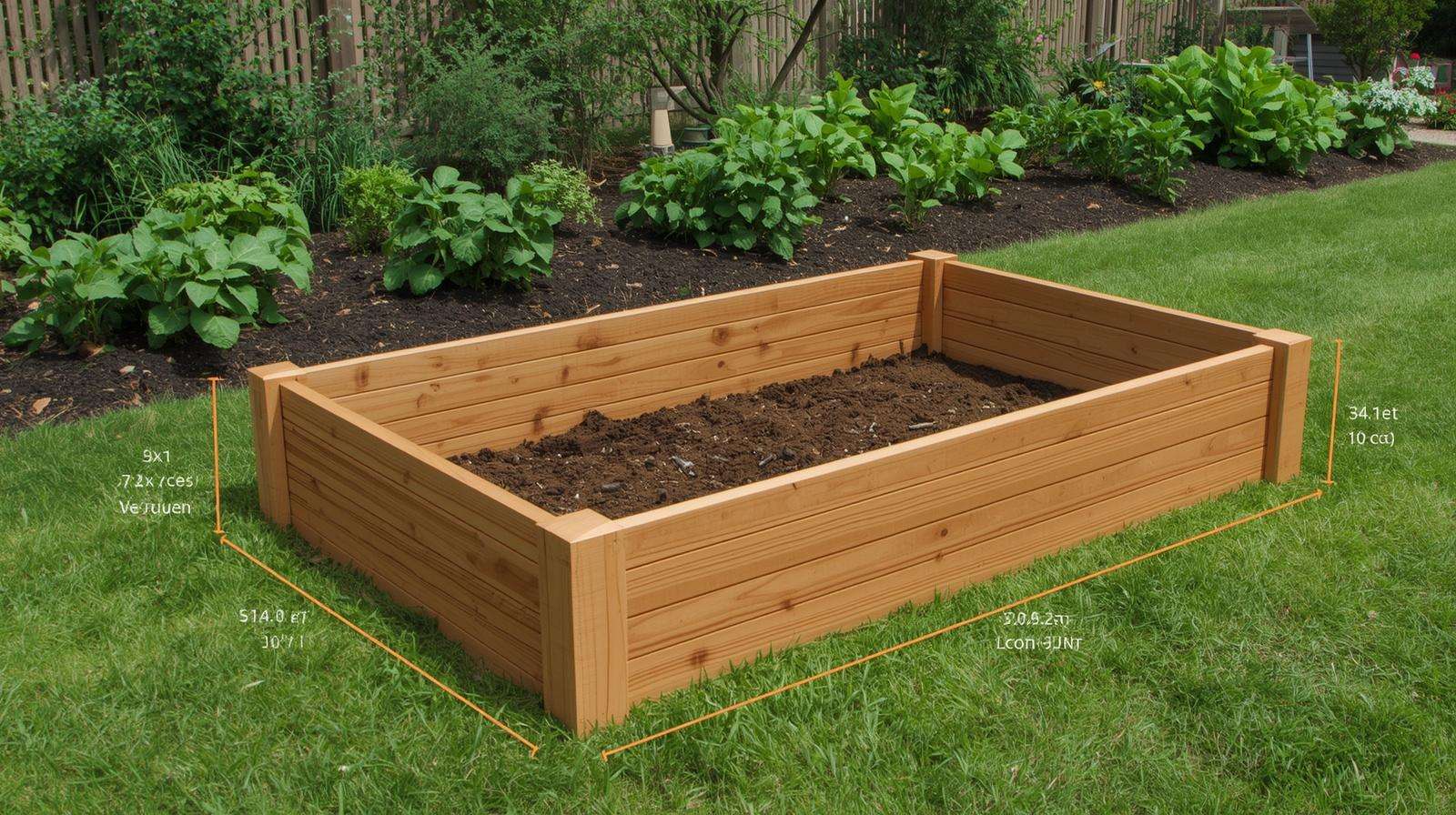
Soil depth dramatically affects what you can grow successfully:
- 8–12 inches deep: Suitable for shallow-rooted crops like lettuce, spinach, radishes, herbs, and bush beans. Good starter depth for budget-conscious setups.
- 12–18 inches deep: Ideal for most vegetables, including tomatoes, peppers, cucumbers, zucchini, and kale. This is the sweet spot for balanced performance in 8×3 beds.
- 18–24+ inches deep: Best for deep-rooted crops like carrots, parsnips, potatoes, and beets, or for maximum drought resistance in hotter climates.
Volume Calculation for 8×3 Raised Beds
Use this simple formula: Volume (cubic feet) = Length × Width × Depth (in feet)
For an 8 ft long × 3 ft wide bed:
- At 12 inches (1 ft) deep: 8 × 3 × 1 = 24 cubic feet
- At 18 inches (1.5 ft) deep: 8 × 3 × 1.5 = 36 cubic feet
- At 24 inches (2 ft) deep: 8 × 3 × 2 = 48 cubic feet
Add 10–15% extra to account for settling after watering and initial compaction. For a 12-inch deep 8×3 bed, plan on 26–28 cubic feet total. At 18 inches, aim for 39–41 cubic feet.
Here’s a quick reference table:
| Depth | Base Volume (cu ft) | With 10–15% Extra | Approximate Bags (if using 1.5–2 cu ft bags) |
|---|---|---|---|
| 12 inches | 24 | 26–28 | 13–19 bags |
| 18 inches | 36 | 39–41 | 20–27 bags |
| 24 inches | 48 | 52–55 | 26–37 bags |
Bulk purchasing (cubic yards) is far more economical for multiple beds. Note: 1 cubic yard = 27 cubic feet. For one 18-inch 8×3 bed, you’d need roughly 1.5 cubic yards of blended mix.
Choose depth based on your crops, climate, and budget. In warmer regions with intense sun, deeper beds help retain moisture better.
The Ultimate Best Soil Mix Recipe for 8×3 Raised Beds
After testing various blends and reviewing recommendations from extension services and experienced gardeners, the ultimate balanced mix for 8×3 raised beds prioritizes performance, affordability, sustainability, and long-term soil health.
Recommended Ultimate Recipe (by volume):
- 40–50% high-quality topsoil or screened garden soil — Provides mineral structure, trace elements, and stability.
- 30–40% mature, well-aged compost — Delivers nutrients, beneficial microbes, and organic matter. Use a diverse blend (e.g., from kitchen scraps, manure, leaf mold, mushroom compost).
- 10–20% aeration/drainage amendments — Such as perlite, horticultural vermiculite, coco coir, or coarse builder’s sand. This prevents compaction and ensures oxygen reaches roots.
A practical, high-performing version many gardeners swear by is:
- 45% topsoil
- 35% blended compost
- 20% aeration mix (half perlite or vermiculite + half coco coir for water retention and eco-friendliness)
This hybrid outperforms straight Mel’s Mix in many real-world vegetable gardens because it includes mineral-rich topsoil for better cation exchange and long-term fertility while maintaining excellent drainage.
Why these ratios work for vegetables in raised beds:
- Topsoil gives “body” so the mix doesn’t dry out too fast or blow away.
- Compost feeds plants slowly and fosters a living soil food web (bacteria, fungi, earthworms).
- Aeration materials keep the mix light and fluffy, reducing the risk of anaerobic conditions that cause root diseases.
Avoid common pitfalls: Don’t use straight potting mix (too lightweight and expensive for large beds), fresh manure (can burn plants), or un-screened fill dirt (may contain weeds or contaminants).
Step-by-Step Mixing Instructions
- Gather tools: Wheelbarrow or tarp, shovel, gloves, dust mask (for dry amendments).
- Measure ingredients by volume using buckets or a marked container for accuracy.
- Pre-moisten compost and coir if very dry to reduce dust.
- Layer or thoroughly blend on a tarp: Start with topsoil, add compost, then aeration materials. Mix until uniform — no streaks of one ingredient.
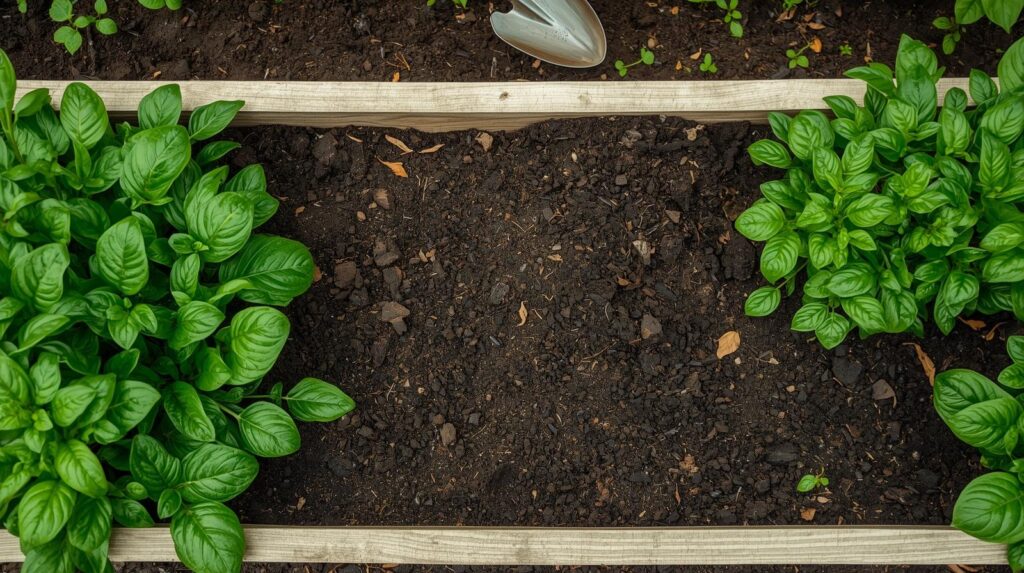
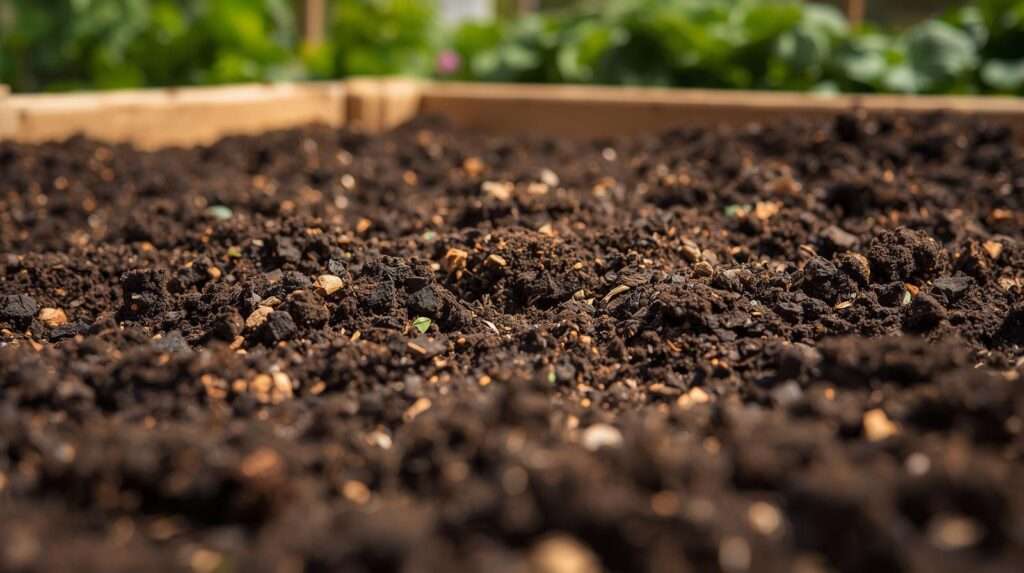
- Test a handful: It should feel like moist crumbly chocolate cake — holds shape when squeezed lightly but breaks apart easily.
- Fill the bed in stages, watering lightly between layers to help settle without compaction.
For one 18-inch deep 8×3 bed (approx. 40 cu ft total with extra):
- Topsoil: ~18 cu ft
- Compost: ~14 cu ft
- Aeration: ~8 cu ft
This mix typically costs 30–60% less than commercial “raised bed soil” bags while delivering superior results.
Popular Soil Mixes Compared: Mel’s Mix and Other Options
One of the most frequently discussed raised bed soil recipes is Mel’s Mix, popularized by Mel Bartholomew in the Square Foot Gardening method. It consists of equal parts by volume: one-third blended compost (ideally from at least five different sources), one-third peat moss (or coco coir as a more sustainable alternative), and one-third coarse vermiculite.
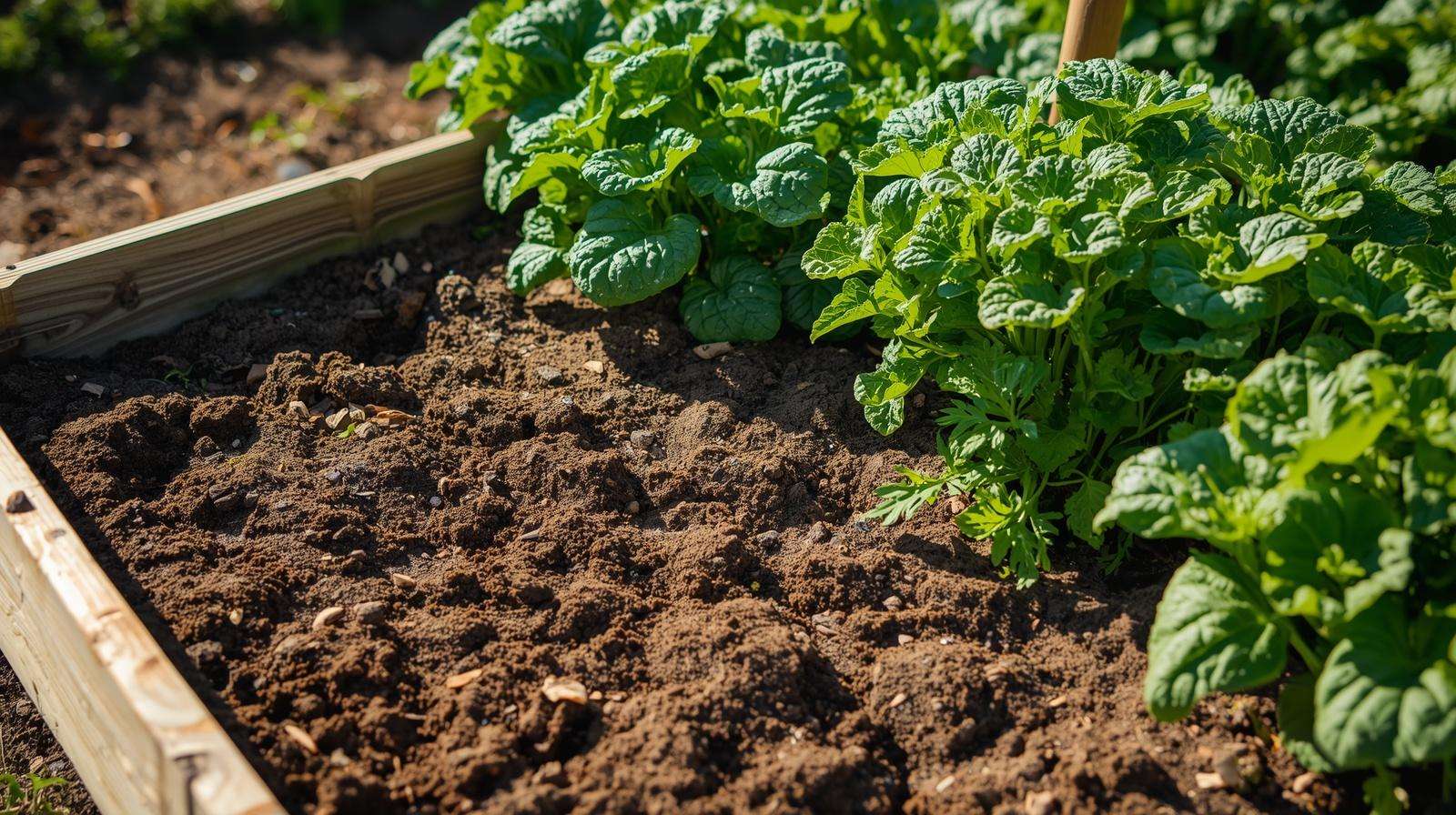
Pros of Mel’s Mix:
- Extremely lightweight and fluffy, providing excellent aeration and drainage.
- Resists compaction over time thanks to the vermiculite.
- Holds moisture well without becoming waterlogged.
- pH tends to stay near neutral when using diverse compost.
- Ideal for intensive planting in smaller beds or containers.
Cons of Mel’s Mix:
- Can be expensive, especially for larger or multiple 8×3 beds, due to the cost of vermiculite and peat/coir.
- Peat moss is not renewable and raises sustainability concerns for environmentally conscious gardeners.
- May lack sufficient mineral structure and long-term trace elements compared to mixes containing topsoil, leading to faster nutrient depletion in heavy-feeding vegetable crops.
- In very hot or windy climates, it can dry out faster than mixes with more topsoil.
Real-world testing (such as comparisons shared by experienced gardeners) shows Mel’s Mix often produces strong initial growth, particularly in wet springs, but may require more frequent compost top-dressing for sustained high yields in demanding vegetables like tomatoes.
Other Popular Options:
- 50/50 Topsoil + Compost Blend: Simple, cost-effective, and widely recommended by many university extension services. It provides good structure and nutrients but can compact over time without added aeration amendments.
- 60% Topsoil / 30% Compost / 10% Aeration (perlite or sand): A balanced hybrid that many modern gardeners prefer for raised vegetable beds. It combines the mineral backbone of topsoil with biological richness from compost and improved drainage.
- Commercial Raised Bed Soil: Pre-mixed bags or bulk blends labeled specifically for raised beds. These are convenient but often more expensive and variable in quality — always check the ingredients list.
Here’s a comparison table to help you decide for your 8×3 raised beds:
| Mix Type | Ratio Example | Best For | Cost Level | Drainage & Aeration | Long-Term Fertility | Sustainability |
|---|---|---|---|---|---|---|
| Mel’s Mix | 1/3 Compost, 1/3 Peat/Coir, 1/3 Vermiculite | Intensive square-foot planting, beginners wanting simplicity | High | Excellent | Good (with top-dressing) | Medium (peat concerns) |
| Topsoil + Compost | 50% Topsoil, 50% Compost | Budget setups, larger beds | Low | Moderate | Very Good | High |
| Ultimate Balanced Hybrid | 45% Topsoil, 35% Compost, 20% Aeration | High-yield vegetables in 8×3 beds | Medium | Excellent | Excellent | High (use coir) |
| Commercial Raised Bed Soil | Varies (often 50/50 garden soil + mix) | Quick fill, low effort | High | Good | Variable | Variable |
For most vegetable gardeners using 8×3 raised beds, the ultimate balanced hybrid (detailed earlier) offers the best of all worlds: better structure and mineral content than pure Mel’s Mix, superior drainage than straight topsoil blends, and cost-effectiveness for real-world results. Many extension services support variations that include up to 20% topsoil even in deeper beds for added stability.
How to Source Quality Ingredients and Save Money
Sourcing high-quality ingredients is crucial for creating the best soil mix for 8×3 raised beds without introducing weeds, pathogens, or contaminants.
Topsoil/Garden Soil:
- Buy screened bulk topsoil from local landscape suppliers or nurseries. Avoid “fill dirt” — look for loamy, weed-free topsoil with a dark color and crumbly texture.
- Quality check: It should smell earthy (not sour or chemical), have no large rocks or debris, and feel slightly moist but not sticky.
Compost:
- The heart of any good mix. Use mature, well-aged compost that has heated properly (to kill weed seeds and pathogens).
- Best practice: Blend multiple sources — homemade kitchen/yard compost, mushroom compost, worm castings, leaf mold, and aged manure (never fresh).
- Where to get it: Municipal compost facilities, farm suppliers, or make your own. In many regions, bulk compost is available by the cubic yard at reasonable prices.
Aeration Amendments:
- Perlite: Lightweight, sterile, excellent for drainage; great for hot climates.
- Vermiculite: Holds more moisture; useful in drier areas.
- Coco coir: Sustainable peat alternative; excellent water retention and renewability.
- Coarse sand (builder’s sand, not play sand): Inexpensive drainage booster, but use sparingly to avoid making the mix too heavy.
Money-Saving Tips:
- Purchase in bulk rather than bags — one cubic yard of topsoil or compost often costs less than 15–20 individual bags.
- Start a backyard compost system to reduce long-term costs.
- Use worm castings or kelp meal as targeted supplements instead of buying everything pre-mixed.
- Check for local gardening groups or Facebook marketplace for bulk shares or excess amendments.
For gardeners in regions with heavy clay or poor native soils (common in many parts of Bangladesh and similar tropical/subtropical areas), emphasize extra aeration and well-draining compost to counteract compaction risks during monsoon seasons.
Step-by-Step Guide to Filling and Preparing Your 8×3 Raised Bed
Proper filling turns your ingredients into a productive growing medium.
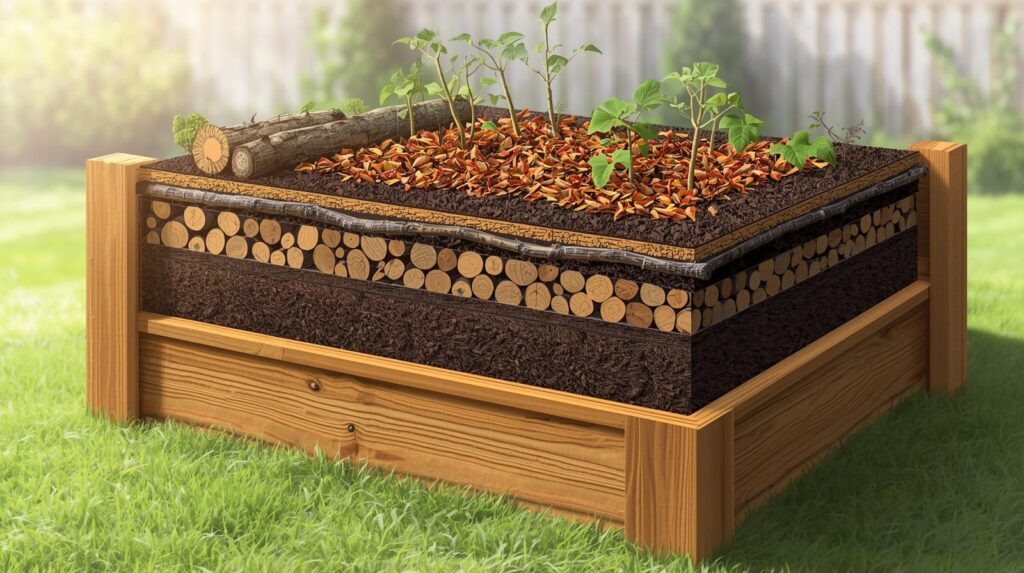
- Site Preparation: Choose a level, sunny spot. Remove grass or weeds. Optional but recommended: Lay cardboard or landscape fabric at the bottom to suppress weeds (avoid plastic, which hinders drainage). Add hardware cloth if rodents are a concern.
- Layering or Blending: For easier filling, some gardeners layer (topsoil at bottom, compost in middle, lighter amendments on top), but thorough blending produces more uniform results. Work in stages for deeper beds to avoid strain.
- Filling Process: Pour the mixed soil into the bed. Gently tamp (do not compact heavily) as you go. Fill slightly above the rim — it will settle 10–15% after watering.
- Initial Watering and Settling: Water thoroughly with a gentle spray until water runs out the bottom (if drainage holes exist) or the bed feels evenly moist. Allow 24–48 hours for settling, then top off with additional mix as needed.
- Pre-Planting Amendments: Before planting, incorporate specific starters like bone meal for root development, blood meal for nitrogen, or rock phosphate for phosphorus, based on your crop plan. A light application of mycorrhizal fungi can boost root establishment.
Test the soil pH after filling (aim for 6.0–7.0 for most vegetables). Home test kits or digital meters work well; send samples to a local agricultural lab for detailed nutrient analysis if possible.
Maintaining and Improving Soil Over Time
The best soil mix for 8×3 raised beds isn’t “set it and forget it.” Ongoing care builds a thriving soil ecosystem.
- Annual Top-Dressing: Add 1–2 inches of fresh compost each spring and fall. This replenishes nutrients and organic matter without disturbing roots.
- Mulching: Apply 2–3 inches of organic mulch (straw, shredded leaves, or wood chips) around plants. This conserves moisture, suppresses weeds, moderates temperature, and feeds soil life as it breaks down.
- Crop Rotation and Cover Crops: Rotate plant families yearly to prevent nutrient depletion and pest buildup. Grow cover crops (like clover or buckwheat) in off-seasons to add biomass and fix nitrogen.
- Minimal Disturbance: Avoid excessive digging to preserve soil structure and fungal networks.
- Refreshing the Mix: After 3–5 years, you may need to amend more aggressively or partially replace sections if yields decline, but with consistent compost additions, many beds remain productive much longer.
In warmer climates, focus on moisture-retaining practices; in wetter areas, prioritize drainage maintenance.
Troubleshooting Common Soil Problems in Raised Beds
Even with the ultimate recipe, issues can arise. Here’s how to diagnose and fix them:
- Poor Drainage / Waterlogging: Symptoms include yellowing lower leaves, stunted growth, or fungal diseases. Solution: Incorporate more perlite, vermiculite, or coarse sand. Raise bed sides slightly or improve base drainage.
- Nutrient Deficiencies: Yellow leaves (nitrogen), purple stems (phosphorus), or interveinal chlorosis (iron/magnesium). Solution: Conduct a soil test. Amend with targeted organic fertilizers — compost tea for quick boosts, or specific meals (e.g., greensand for potassium).
- Compaction and Settling: Soil level drops and becomes dense. Solution: Aerate gently with a garden fork, top-dress with compost, and avoid walking on the bed.
- pH Imbalance: Below 6.0 (too acidic) — add garden lime. Above 7.5 (too alkaline) — add elemental sulfur or more acidic compost. Retest after 4–6 weeks.
- Weed Seeds or Pests: Prevention is key — use screened materials and mature compost. For existing problems, solarization or hand removal works.
Common mistake to avoid: Using only potting mix (too lightweight and nutrient-poor for full-season vegetables) or ignoring settling, which leaves roots exposed.
Expert Tips for Maximum Yields in 8×3 Beds
- Leverage the narrow 3-foot width for easy access: Plant tall crops (tomatoes, trellised cucumbers) in the center, shorter ones on the edges.
- Install drip irrigation or soaker hoses for consistent moisture — raised beds dry out faster than in-ground gardens.
- Introduce beneficial biology: Add compost tea, worm castings, or mycorrhizae at planting.
- Companion planting examples for 8×3: Tomatoes + basil + marigolds; carrots + onions + lettuce; beans + corn + squash (adapted three sisters).
- Monitor and adjust seasonally: In hot weather, increase mulch depth; after heavy rains, check for compaction.
- Sustainable practices: Minimize peat use, recycle household organics into compost, and choose renewable amendments like coco coir.
Gardeners following these principles routinely report significantly higher yields — often double or more — compared to generic bagged soils.
Frequently Asked Questions (FAQs)
How much soil do I need for an 8×3 raised bed at 12 inches deep? Approximately 24–28 cubic feet (including settling). At 18 inches, plan for 39–41 cubic feet.
Can I use only compost in my raised bed? While tempting, pure compost can compact, retain too much water, or lack structure. Blend with topsoil and aeration for best results.
Is Mel’s Mix good for 8×3 beds? Yes, especially for lighter feeding or intensive planting, but the hybrid topsoil-inclusive mix often performs better for heavy vegetable crops over multiple seasons.
How often should I replace the soil? Rarely. With annual compost additions and proper maintenance, you can use the same base mix for 5+ years before major refresh.
What’s the best alternative to vermiculite? Perlite for drainage, or a mix of coco coir and coarse sand. Perlite is more affordable and widely available.
How do I test my soil pH at home? Use a reliable soil test kit or digital probe. For accuracy, send samples to a local agricultural extension lab.
Is this mix suitable for tomatoes and peppers in hot climates? Absolutely. The balanced drainage and moisture retention help prevent blossom end rot and support vigorous growth — just ensure consistent watering and mulch.
Final Word
Creating the best soil mix for 8×3 raised beds is the foundation for transforming your vegetable garden into a high-yield, low-maintenance powerhouse. By using the ultimate balanced recipe — approximately 45% topsoil, 35% diverse compost, and 20% aeration amendments — combined with proper volume calculations, careful filling, and ongoing maintenance, you’ll enjoy healthier plants, fewer problems, and bountiful harvests of your favorite crops.